
Every successful company starts with an idea. Turning that idea into a funded, operating business usually requires capital. For many small business owners, SBA financing provides an accessible path to funding through trusted lenders.
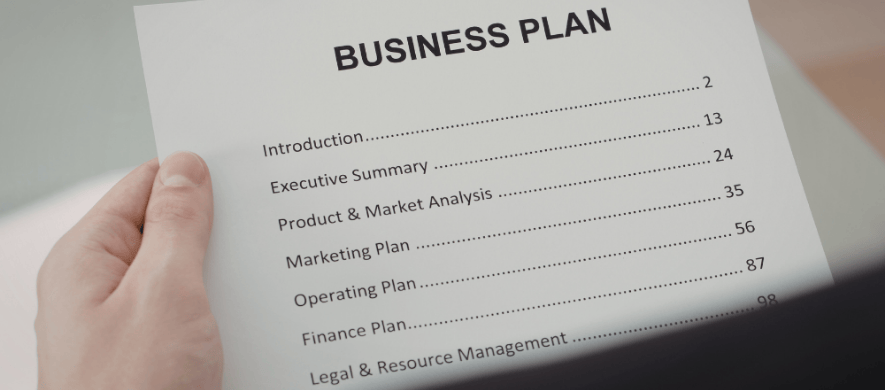
Before that financing becomes available, however, lenders expect preparation. One of the most important steps is creating a strong business plan for SBA loan approval.
A clear plan demonstrates how the company will generate income, manage expenses, and repay the loan responsibly. It also shows lenders that the owner understands the market, customers, and long term strategy. Many entrepreneurs begin the process simply wanting to learn how lenders evaluate risk and what makes a plan credible.
Key Takeaways
-
A clear business plan for SBA loan approval helps lenders evaluate risk and repayment ability.
-
A structured business plan template organizes financial projections, strategy, and operations.
-
Lenders want realistic projections supported by market research and financial data.
-
Financial statements, revenue estimates, and repayment planning strengthen financing applications.
-
A thoughtful plan builds confidence with lenders and investors.
Why a Business Plan Matters for SBA Financing
A business plan is more than a formality. It is the document that helps lenders decide whether to fund your idea.
When banks review a loan application, they want evidence that the business can generate enough cash flow to repay the loan payments. They also want to understand the company’s market, products, and long term strategy.
A strong business plan communicates several key points:
-
The company has a sound business purpose
-
Leadership understands the industry and competition
-
Revenue projections are realistic
-
Cash flow will support debt payments
Your plan becomes the foundation of the financing process. It tells lenders why investing in your company makes sense.
The U.S. Small Business Administration recommends preparing a comprehensive plan before applying for funding. Their official guidance explains the essential components of a lender-ready business plan.
Start With a Clear Executive Summary
The executive summary is the first section lenders read, and often the most important.
This opening section should briefly explain your company’s mission, products or services, leadership team, and funding request. It should also highlight how much capital you are requesting and how the financing will be used.
A strong summary answers several questions quickly:
-
What problem does your business solve?
-
Who are your customers?
-
How will the company generate profit?
-
How much funding do you need?
Although this section appears first, many owners write it last once the rest of the plan is complete. When written well, it gives lenders a sense of confidence that the owner has a clear direction for the company.
Describe the Business and Market Opportunity
Next, the plan should explain the company itself. This section describes the business structure, ownership, and long term objectives.
For example, you may operate as an LLC, corporation, or partnership. Your description should also explain whether the company is a new business or an established operation seeking expansion, which can influence the types of commercial loans and lines of credit that best support your plans.
Lenders want to see that the owner understands the market environment. A market analysis should include:
-
Target customers and consumer demand
-
Competitor analysis
-
Industry trends
-
Pricing strategy
Evidence that the company understands its market gives lenders confidence that sales projections are achievable. This section may also touch on branding strategy and how the business intends to position itself within a competitive category.
Highlight the Products or Services
This section explains what the company sells and how those offerings generate revenue.
Describe the services or products in detail. Explain how they benefit customers and what makes them competitive. For example, your business may focus on specialized services, innovative products, or better pricing for consumers, and an SBA lender may recommend Small Business Administration guaranteed loans that align with those objectives.
If the financing will fund inventory, equipment, or store expansion, clearly connect those purchases to future growth. Lenders want to see how the requested capital will increase sales and profitability. In some cases, the funding may allow a company to expand inventory so customers can buy more products locally rather than searching elsewhere.
Include a Clear Operational Plan
A strong operational section explains how the business will run on a daily basis.
Topics often include operational considerations that can support specialized financing needs, such as agricultural operating or real estate loans for farm and ranch businesses:
-
Staffing structure and leadership team
-
Production or service processes
-
Inventory management
-
Key suppliers or partners
-
Technology or equipment used
Key personnel biographies are especially valuable. Lenders want to see that the team has relevant experience and the ability to execute the plan successfully. This part of the document also highlights how the company will serve customers consistently as it grows.
Build Realistic Financial Projections
Financial projections are often the most closely reviewed part of the plan.
A lender needs to see how revenue will be generated and how loan payments will be repaid. Most SBA lenders typically require three to five years of forward looking financial data.
Financial documents should include:
-
Income statements
-
Balance sheets
-
Cash flow projections
The first year projections should typically include monthly or quarterly detail. This shows lenders that the business can maintain stability early in the loan term. Accurate projections also help owners track performance and adjust strategy as the company grows.
Avoid overly optimistic projections. Lenders often view unrealistic forecasts as a warning sign because numbers should reflect both opportunity and risk.
Explain the Funding Request Clearly
Your plan must also include a detailed funding request.
This section should specify:
-
The loan amount requested
-
How the funds will be used
-
How the business will repay the financing
For example, funds may support equipment purchases, working capital, inventory expansion, or facility improvements. Flexible financing structures can also help businesses manage expenses, cover fees related to expansion, and maintain healthy cash flow, while owners may separately use consumer loans and personal credit options to handle individual financial needs outside the business.
The repayment plan should clearly show how the company’s income will cover loan payments while still allowing the business to grow.
Debt Financing vs Equity Financing
Many companies evaluate both debt financing and equity financing when seeking capital.
Debt financing involves borrowing money that must be repaid with interest. The advantage is that the owner retains full ownership of the business.
Equity financing involves raising capital from investors who receive ownership shares in return. While equity does not require repayment, it reduces the owner’s control of the company.
Most businesses rely primarily on debt financing for loans like SBA funding because it allows the owner to maintain ownership while accessing capital. A thoughtful mix of financing options can help a company balance risk and growth.
Turning Your Plan Into Action
Writing a detailed business plan takes time, but the effort pays off. The process forces you to think carefully about your company’s strategy, market position, and financial future.
A well prepared document also becomes a valuable tool for managing growth. It helps track progress, guide decisions, and attract lenders or investors who believe in your vision. Many entrepreneurs start with a clear hope of building something meaningful for their community and their own professional life.
At Farmers Bank, we work closely with local business owners to help them prepare lender ready SBA loan applications. If you are building a business plan for SBA loan financing and want guidance from experienced lenders, our team is ready to help.
Contact Farmers Bank today to discuss your financing goals and take the next step toward growing your business.
FAQs
What is a business plan template used for?
A business plan template provides a structured outline for organizing your strategy, financial projections, and operational details so lenders can evaluate your application efficiently.
Why do lenders require a business plan for SBA financing?
Lenders use the plan to determine whether the business can generate enough revenue to repay the loan and operate successfully over time.
How long should a business plan be for SBA financing?
Most traditional plans range between 20 and 30 pages, excluding supporting documents such as financial statements and tax records.
What financial information should be included in a business plan?
A strong plan includes income statements, balance sheets, and cash flow projections that estimate revenue, expenses, and repayment capacity.
Can a startup qualify for SBA financing with a small business plan?
Yes. Many startups qualify when they present a detailed plan, realistic financial projections, and evidence of market demand.