
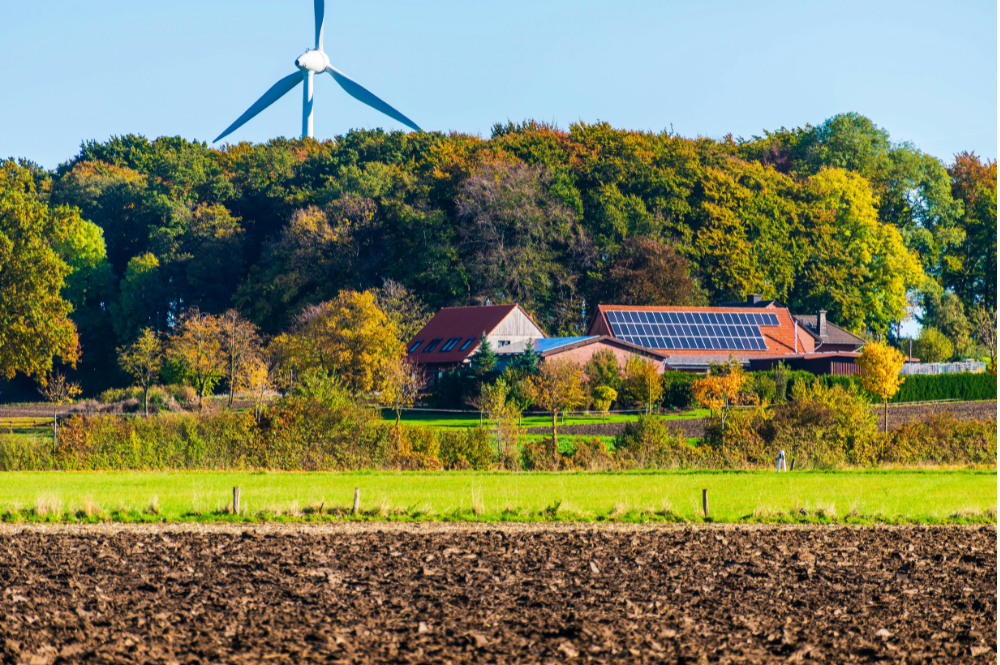
Energy costs affect nearly every part of agricultural production. Irrigation systems, refrigeration equipment, grain storage, ventilation, and processing facilities all require reliable power, and those expenses can add up quickly over time.
That’s one reason more agricultural producers are investing in renewable energy systems and energy efficiency improvements. From solar panels to upgraded equipment and battery storage, farms are finding new ways to improve sustainability while reducing long-term operating costs.
The challenge often comes down to financing. Large energy projects require upfront capital, and many farm operations need solutions that support growth without compromising working capital or daily operations.
Key Takeaways
-
Renewable energy systems can help farms save money on long-term energy costs
-
Solar loans, grants, and federal programs can reduce project cost barriers
-
USDA programs support rural energy development for agricultural producers
-
Energy efficiency projects can strengthen sustainability goals and operational stability
-
Combining financing, incentives, and tax credits may improve project affordability
Why Renewable Energy Is Growing Across Agriculture
Renewable energy has become far more practical for farms over the last several years. Technology continues developing, installation costs have become more competitive, and federal funding opportunities have expanded significantly through programs tied to economic development and sustainability initiatives.
For many farms, renewable energy supports both financial and operational goals.
Solar energy systems can help offset utility costs tied to irrigation pumps, dairy operations, livestock facilities, and climate-controlled storage. In some rural areas, farms are also exploring backup power systems to improve reliability during outages or seasonal demand spikes.
There is also increasing interest in sustainable practices across agriculture. Producers are looking for ways to reduce greenhouse gas emissions, improve efficiency, and protect the natural environment for future generations while maintaining profitability.
For some operations, renewable energy projects also create opportunities to contribute excess power back to the grid through net metering programs, generating additional long-term benefits.
Understanding Financing Options for Renewable Energy Projects
Renewable energy upgrades can involve substantial project costs depending on the scale of the system and the type of equipment involved.
Fortunately, farms now have access to several types of financing structures designed specifically for agricultural businesses and rural small businesses.
These may include:
-
Commercial agricultural loans
-
Solar loans
-
Equipment financing
-
Fixed rate loan structures
-
Lines of credit
-
State or federal grant programs
-
Alternative financing models such as solar leases or Power Purchase Agreements (PPAs)
The right financing structure depends on the operation’s own needs, projected energy savings, available matching funds, and long-term business goals.
Some farms prefer ownership models using traditional business loans, while others choose solar leases or PPAs to reduce upfront costs and simplify maintenance responsibilities.
Interest rate structure and loan term flexibility also play an important role. Experienced providers of agricultural loans often help align repayment schedules with seasonal income cycles to improve cash flow management throughout the process.
USDA Programs and Rural Energy Support
Federal programs remain one of the most valuable resources for farms interested in renewable energy development.
The Rural Energy for America Program (REAP), administered by the USDA, provides grants and guaranteed loans for renewable energy systems and energy efficiency projects. Agricultural producers and rural small businesses may qualify for funding that covers up to 50% of eligible project costs.
The Inflation Reduction Act expanded funding available through REAP and increased opportunities for farms pursuing sustainability-focused upgrades.
According to the USDA, applicants may qualify for:
-
Renewable energy system grants up to $1 million
-
Energy efficiency improvement grants up to $500,000
-
Loan guarantees covering up to 75% of eligible project costs
These programs help reduce the financial barriers tied to renewable energy installation and long-term infrastructure improvements.
Federal grants can also provide non-repayable capital that lowers upfront costs and improves project feasibility for farms operating in competitive markets.
Tax Incentives and Additional Funding Opportunities
Tax incentives have become another major driver of renewable energy financing.
The Investment Tax Credit (ITC), now tied to the Section 48E Clean Electricity Investment Tax Credit structure, allows qualifying commercial farm businesses to deduct a percentage of installation costs from federal taxes.
Current federal incentives may cover at least 30% of qualifying installation costs through 2032, helping farms reduce overall project cost significantly.
Additional funding opportunities may include:
-
MACRS depreciation for renewable energy equipment
-
State-sponsored rebates and incentives
-
Renewable Energy Certificates (RECs)
-
Direct Pay options for eligible organizations
-
Third-party tax credit transfer opportunities
Some state programs also support sustainability and energy efficiency improvements through subsidized financing or educational resources.
Programs like Property Assessed Clean Energy (PACE) may also help commercial property owners finance qualifying renewable energy and energy efficiency projects through long-term repayment structures tied to property assessments, though availability varies by location.
Balancing Sustainability With Long-Term Financial Planning
Renewable energy investments should support the broader financial health of the operation.
Before moving forward, farms should carefully determine:
-
Current energy usage
-
Long-term utility costs
-
Expected energy savings
-
Installation timelines
-
Maintenance responsibilities
-
Available incentives and grant opportunities
The financing process can feel complex, especially when combining loans, grants, tax credits, and multiple organizations involved in funding or approval.
Working with experienced agricultural lenders and financial partners can help simplify that process while ensuring projects align with operational goals and long-term sustainability priorities.
Every operation is different. Some farms focus on large-scale solar panel installations, while others prioritize smaller energy efficiency improvements that create immediate operational benefits without requiring major infrastructure changes.
Supporting the Future of Agricultural Sustainability
Renewable energy projects are becoming an increasingly practical option for farms looking to improve efficiency, reduce operating expenses, and support long-term sustainability goals.
With expanded federal programs, evolving financing options, and growing access to resources, agricultural producers have more opportunities than ever to pursue renewable energy projects that fit their operation and financial strategy.
At Farmers Bank, we work closely with farms and rural businesses to explore financing solutions that support long-term growth without compromising day-to-day operations. Whether you are evaluating solar loans, energy efficiency projects, or broader renewable energy financing opportunities, our team is here to help you navigate the process with confidence.
FAQs
What is renewable energy financing for farms?
Renewable energy financing helps agricultural producers fund projects such as solar installations, battery systems, and energy efficiency improvements through loans, grants, and other funding programs.
What types of renewable energy systems are commonly used on farms?
Many farms use solar panels, battery storage systems, energy-efficient irrigation equipment, and upgraded ventilation or refrigeration systems to reduce energy costs.
How does the REAP program help agricultural producers?
The Rural Energy for America Program provides grants and guaranteed loans to qualifying agricultural producers and rural small businesses for renewable energy systems and energy efficiency projects.
Are solar loans available for farms?
Yes. Many banks, credit unions, and agricultural lenders offer solar loans with flexible loan term structures designed to help farms manage installation costs over time.
Can farms combine grants and financing programs?
In many cases, yes. Farms may combine federal grants, tax incentives, and commercial financing to reduce upfront capital requirements and improve project affordability.
Do renewable energy projects help farms save money?
Many renewable energy projects reduce long-term utility expenses, improve operational efficiency, and create more predictable energy costs over time.