
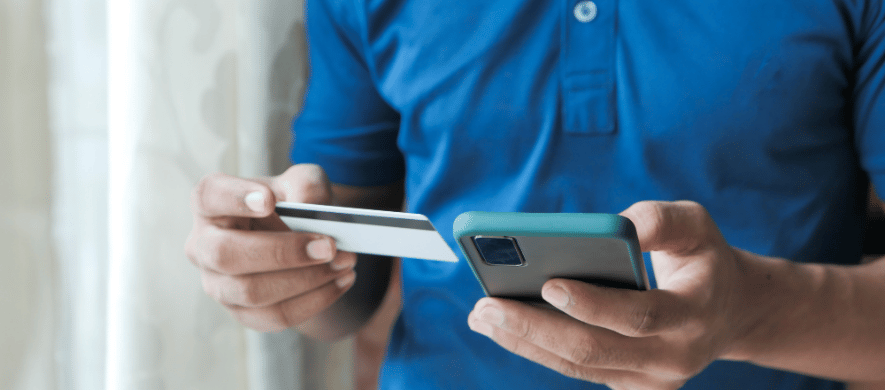
 Digital banking has made it easier than ever to manage your finances. Whether you're checking account balances, using bill pay, transferring funds, monitoring transactions, or reviewing financial information, online banking provides convenient access to your accounts from virtually anywhere.
However, convenience also comes with responsibility. Cyber threats continue to evolve, and fraudsters are constantly developing new ways to gain access to sensitive financial accounts through scams, fake websites, social engineering tactics, and data breaches.
Understanding how to stay secure online can help protect your money, personal information, and identity while allowing you to enjoy the benefits of modern banking.
Key Takeaways
-
Strong passwords and secure login habits help protect online banking access
-
Transaction alerts can help identify suspicious transactions quickly
-
Fraud prevention starts with recognizing scams and unusual account activity
-
Mobile banking tools can improve online safety and account monitoring
-
Regular account reviews help identify issues before they become larger problems
Why Online Banking Security Matters
Most consumers rely on online banking for everyday financial tasks. Checking balances, transferring money, paying bills, viewing transfer history, and managing debit cards can all be done in minutes.
Unfortunately, criminals know this too.
Many fraud attempts are designed to trick consumers into sharing usernames, password information, account numbers, or other sensitive data. Text messages, emails, phone calls, and fake websites may appear legitimate while attempting to steal personal or financial information.
Identity theft remains one of the most common risks associated with digital financial services. A successful attack can allow criminals to access financial accounts, make unauthorized purchases, or open accounts using stolen information.
The Federal Trade Commission and financial institutions continue to encourage consumers to practice strong online safety habits and remain aware of emerging scams and cyber threats.
Use Strong Passwords and Secure Login Practices
One of the simplest ways to improve banking security is by creating a strong password.
A secure password should:
-
Include upper and lowercase letters
-
Contain special characters and numbers
-
Avoid common words or personal information
-
Be different from passwords used for other accounts
Using the same password across multiple websites increases risk. If one website experiences a data breach, criminals may attempt to use those credentials to access other accounts.
A password manager can help create and store complex passwords securely while reducing the temptation to reuse login credentials.
It is also wise to avoid features that save usernames and passwords automatically on shared devices. While convenient, automatic login features can create security concerns if a device is lost, stolen, or accessed by others.
When possible, update passwords periodically and never share username or password information with anyone.
Enable Two-Factor Authentication
Two-factor authentication adds an additional layer of protection beyond a password.
With two-factor authentication enabled, users must provide a second verification step before accessing an account. This may involve entering a code sent through text messages, email, or an authentication app.
Even if someone obtains your password, two-factor authentication can help prevent unauthorized access.
Many experts consider this one of the most effective digital banking security strategies available today.
Monitor Transactions and Account Activity Regularly
One of the best fraud prevention habits is reviewing account activity on a regular basis.
Many consumers only look at account balances periodically. However, monitoring transaction data and reviewing detail transactions regularly can help identify suspicious activity much sooner.
Consider making it a habit to:
-
Review account balances preferably daily
-
View transfer history regularly
-
Double check unfamiliar purchases
-
Confirm payment activity you recognize
-
Review transaction data for unusual patterns
The sooner suspicious transactions are identified, the faster action can be taken to minimize potential losses.
Farmers Bank Mobile Banking provides tools that make monitoring financial accounts easier and more convenient.
Turn On Transaction Alerts
Transaction alerts provide real-time visibility into account activity.
These system alerts can notify you when:
-
Purchases are made
-
Deposits occur
-
Payments are processed
-
Account balances reach certain thresholds
-
Transfers take place
Alerts help customers stay aware of activity as it happens instead of waiting to review statements later.
If suspicious transactions occur, transaction alerts can help customers immediately report concerns and take action quickly.
This proactive approach supports stronger fraud prevention and overall account security.
Use CardHub and Credit Monitoring Tools
Protecting financial accounts requires more than simply checking balances.
CardHub gives Farmers Bank customers greater control over debit card activity and allows them to respond quickly if something looks unusual.
Credit monitoring tools can also help identify signs of identity theft, including:
-
Unauthorized credit inquiries
-
New accounts opened in your name
-
Unexpected changes to credit activity
Monitoring both account activity and credit information creates a stronger overall approach to fraud prevention.
Be Careful on Public Wi-Fi Networks
Public Wi-Fi networks can create additional security risks when accessing financial information.
When possible, avoid conducting online banking activities while connected to public Wi-Fi at coffee shops, airports, hotels, or other public locations.
If access is necessary, consider using a virtual private network (VPN) to encrypt your connection and reduce risk.
Using secure internet connections helps protect sensitive data and makes it more difficult for criminals to intercept information.
Keep Devices Updated
Your banking security depends on more than your account settings.
Phones, tablets, and computers should be updated regularly with the latest security fixes. Software updates often address newly discovered vulnerabilities that criminals may try to exploit.
Good device security habits include:
-
Updating operating systems regularly
-
Installing security updates promptly
-
Locking devices when unattended
-
Avoiding suspicious downloads
-
Logging out of accounts when finished
Never leave a computer unattended while logged into financial websites or banking apps.
These simple practices can significantly reduce risk over time.
Know the Warning Signs of Scams
Scammers often rely on urgency and fear to pressure people into acting quickly.
Be cautious of messages that:
-
Claim immediate action is required
-
Ask for passwords or account numbers
-
Direct you to unfamiliar websites
-
Request payment through unusual methods
-
Claim your account has been compromised without verification
Always verify suspicious communications directly with your bank using a trusted phone number or official website.
Resources like BanksNeverAskThat.com offer valuable fraud prevention education and examples of common scams that target banking customers.
Building Safer Banking Habits
Digital banking offers convenience, better electronic recordkeeping, faster access to information, and powerful account management tools. However, maintaining strong security habits is essential for protecting your financial information and reducing the risk of fraud.
By using strong passwords, enabling two-factor authentication, monitoring account activity, reviewing detail transactions regularly, utilizing alerts, managing cards through CardHub, and staying aware of emerging scams, you can better protect your accounts and personal information.
At Farmers Bank, we're committed to helping customers bank with confidence. If you have questions about online banking security, fraud prevention tools, or resources available through mobile banking, contact us today to speak with a local banker.
FAQs
What are digital banking security best practices?
Best practices include using strong passwords, enabling two-factor authentication, monitoring account activity, setting up alerts, and avoiding suspicious links or requests.
How can transaction alerts help prevent fraud?
Transaction alerts notify you of account activity as it happens, allowing you to identify suspicious transactions and respond more quickly.
What should I do if I notice suspicious activity on my account?
Immediately report suspicious transactions to your bank and review recent account activity to determine whether additional action is needed.
Is public Wi-Fi safe for online banking?
Public Wi-Fi can create security risks. When possible, use a secure private connection or a virtual private network when accessing financial accounts.
How does credit monitoring help with online safety?
Credit monitoring can help identify potential identity theft by alerting you to unauthorized inquiries, new accounts, or unusual activity.
Why is two-factor authentication important?
Two-factor authentication adds an extra layer of security that helps prevent unauthorized account access, even if a password is compromised.