
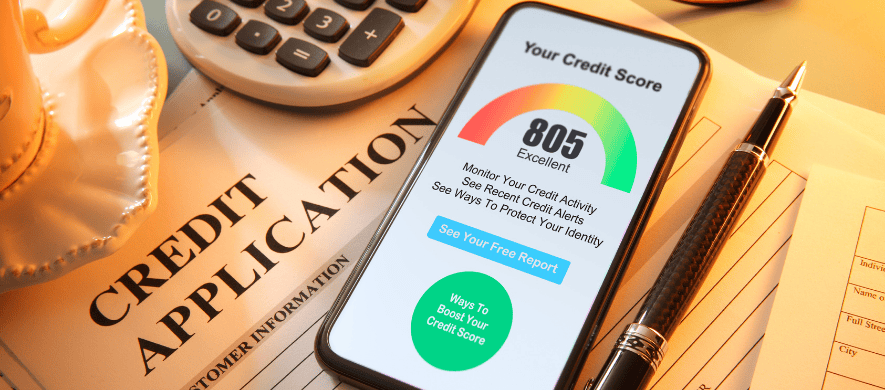
Buying a home is one of the most exciting milestones in life but it’s also one of the most financially significant. If you’re planning to apply for a mortgage, your credit profile plays a key role in determining your eligibility and the loan terms you receive. The better your credit health, the better your chances of qualifying for a favorable rate and smoother approval process.
Key Takeaways
-
A strong credit score and clean credit history can lead to more favorable mortgage terms.
-
Lowering your debt to income ratio increases your loan eligibility.
-
Reducing credit card balances and avoiding new credit improves your profile.
-
Review your credit report for accuracy and take action on any errors.
-
Consistent, on-time payments are critical for long-term credit health.
Start with a Full Credit Report Review
Your credit report is the foundation of your mortgage application. Start by requesting a free copy from each of the three major credit bureaus—Experian, Equifax, and TransUnion—at AnnualCreditReport.com.
Look closely for:
-
Incorrect personal information
-
Duplicate or closed accounts showing as open
-
Late payments reported in error
-
Collections or accounts that don’t belong to you
Disputing any inaccurate information early helps you avoid delays when applying for a home loan.
Know What Affects Your Credit Score
Your FICO score is made up of several factors, each playing a role in how lenders assess your risk as a borrower:
-
Payment history (35%) – Making payments on time is the most influential factor.
-
Credit utilization ratio (30%) – Using too much of your available credit can hurt your score.
-
Credit history length (15%) – Older accounts in good standing reflect positively.
-
New credit (10%) – Opening multiple new accounts too close to your mortgage application may negatively impact your score.
-
Credit mix (10%) – A healthy balance of revolving accounts and installment loans can help.
If your credit card balances are creeping up, focus on reducing them to below 30% of your total available credit.
Tackle Debt and Improve Your Debt to Income Ratio
Your debt to income ratio (DTI) is one of the first things mortgage lenders evaluate. This figure represents your monthly debt payments compared to your gross monthly income.
To reduce your DTI:
-
Pay down credit card debt and car loans
-
Avoid taking on new loans or revolving accounts
-
Refinance or consolidate higher-interest loans when appropriate
While every lender has different guidelines, a DTI below 50% is typically the threshold for a conventional loan.
Avoid New Credit Until After Closing
Once your credit is on the right track, hold off on applying for any new credit accounts. A hard inquiry can drop your score slightly, and lenders may view new debt as a red flag during the underwriting process.
This includes:
-
Auto loans
-
Store credit cards
-
Personal loans
-
Lines of credit
Even if you're preapproved, taking on new debt could delay or derail your mortgage process entirely.
Set Up a Positive Payment Track Record
If you’ve had late payments or struggled with collections in the past, the best way to rebuild trust is to establish consistent, on-time payments moving forward. This applies to:
-
Credit cards
-
Student loans
-
Medical bills
-
Child support
Setting up automatic payments or account reminders can help protect your credit from avoidable mistakes.
If you’re overwhelmed or unsure where to start, speaking with a credit counselor or financial advisor may help you create a plan that fits your financial situation.
The Impact of a Strong Credit Profile
Improving your credit before applying for a mortgage can open doors to:
-
Lower interest rates that save you thousands over the life of your loan
-
Better loan terms and more flexible underwriting
-
Reduced mortgage insurance requirements in some cases
-
Higher loan limits for borrowers in good standing
Even a small improvement in your credit score can make a big difference in how much you qualify to borrow and what you’ll pay each month.
Give Yourself Time to Build a Strong Profile
Ideally, you should begin preparing your credit at least 6 months before you plan to apply for a mortgage. This allows enough time to correct inaccuracies, pay down debt, and establish a solid pattern of responsible financial behavior.
If your credit needs more extensive work—such as rebuilding after past challenges—consider connecting with a financial advisor or credit counselor who can help you map out a realistic plan.
Farmers Bank offers a Credit Sense tool through mobile banking that can help you track your credit and stay on top of your goals.
Final Thoughts
Taking the time to prepare credit for mortgage approval isn’t just about checking a box—it’s about laying the groundwork for long-term financial stability. From reducing debt to improving your credit utilization ratio, every smart move adds up to a stronger application and a smoother homebuying experience.
Have questions or want personalized help navigating your credit readiness? Contact your local Farmers Bank branch today to speak with a knowledgeable loan officer who understands how to guide Idaho homebuyers through the mortgage process.
FAQs
What credit score do I need to qualify for a mortgage?
Most conventional loans require a minimum credit score of 620, but higher scores will give you access to better interest rates.
Does my income affect my credit score?
Income is not factored into your credit score, but it is used to determine your debt to income ratio during the mortgage approval process.
Will paying off a credit card improve my score?
Yes, reducing your credit utilization ratio by paying down balances can significantly boost your score.
How long does it take to improve credit for a mortgage?
Depending on your starting point, you may see improvement within a few months, but for more significant changes, plan on at least six months to a year.
Should I close unused credit cards before applying?
Not always. Closing an old account can shorten your credit history and increase your credit utilization ratio. It’s often better to keep them open with no balance.