
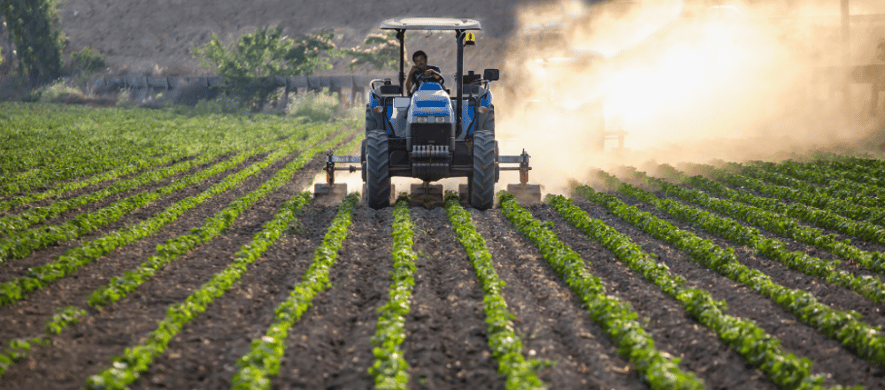
 Cash flow in agriculture rarely follows a straight line. Income tends to arrive in waves tied to harvest or livestock sales, while expenses show up steadily and sometimes all at once. That imbalance can create pressure, even for a profitable farm business.
Understanding seasonal cash flow agriculture patterns is one of the most important steps in keeping a farming operation stable year-round.
Key Takeaways
-
Seasonal cash flow requires planning around planting, production, and harvest cycles
-
Maintaining working capital helps keep the operation running smoothly
-
Forecasting cash inflows and expenses provides a clearer financial view
-
Operating loans and financing tools can help cover expenses during slower periods
-
Building a cash reserve improves long-term stability and profitability
Why Cash Flow in Agriculture Is Different
Agriculture runs on a seasonal cycle. During planting season, farmers invest heavily in inputs like seed, feed, labor, and equipment repairs. These operating expenses often come before any income is realized.
Revenue typically arrives later, during harvest or through livestock sales. This creates a gap between when money goes out and when it comes in.
For agricultural producers, managing that gap is essential. Without a plan, even strong production can result in short-term cash shortages that affect the ability to operate or expand.
Mapping Your Seasonal Cash Flow
The first step is understanding your own cycle. Every farm is different, but most follow a pattern:
-
Early season: High costs tied to planting, equipment, and labor
-
Mid-season: Continued operating expenses with limited income
-
Harvest: Primary cash inflows from crops or livestock
-
Post-harvest: Loan repayment, reinvestment, and planning
Creating a month-by-month plan gives you a clear view of when cash will be tight and when funds will be available.
This kind of visibility helps farmers manage cash flow more effectively and avoid surprises.
Building and Protecting a Cash Reserve
A cash reserve is one of the most valuable tools in seasonal agriculture. It provides a cushion when income is delayed or expenses exceed expectations.
Setting aside funds during strong seasons can help cover expenses such as:
-
Equipment repairs
-
Feed and input costs
-
Labor during slower production periods
Having access to cash or liquid funds reduces reliance on emergency financing and helps maintain stability.
Many successful farmers treat their reserve as part of their operating funds rather than excess money.
Managing Expenses and Farm Budgets
Expense management plays a key role in keeping a farm business on track.
Farm budgets should account for:
-
Fixed costs like land and buildings
-
Variable costs such as seed, feed, and labor
-
Unexpected costs tied to weather or market shifts
Adjusting when and how you spend can make a meaningful difference. For example, spreading out purchases or delaying non-essential investments can help maintain working capital.
The goal is to ensure your operation can continue running smoothly, even during periods of limited income.
Using Forecasting to Stay Ahead
Forecasting allows farmers to estimate future income, expenses, and cash flow needs.
Start with:
-
Past tax returns and production data
-
Current market conditions
-
Expected yields and pricing
From there, build estimates for each phase of the season.
This process helps identify gaps early. Instead of reacting under pressure, you can secure financing, adjust your plan, or reduce costs ahead of time.
A strong forecast provides a clearer view of your finances and supports better decision-making throughout the year.
Leveraging Operating Loans and Financing
Operating loans are designed to help farmers manage seasonal cash flow.
These loans provide operating loan funds that can be used to:
-
Cover expenses during planting season
-
Purchase inputs like seed, feed, or fertilizer
-
Maintain equipment and handle repairs
-
Support daily operations until income arrives
Many lenders offer farm operating loans with competitive interest rates and flexible repayment terms tied to harvest cycles.
A revolving line of credit can also be useful, giving farmers access to funds as needed without taking out a new loan each time.
Used strategically, these tools, along with dedicated agricultural loan options from Farmers Bank, help bridge gaps and keep the operation running smoothly without disrupting long-term plans.
Diversifying Income Streams
Some farmers reduce pressure on seasonal cash flow by diversifying income or accessing commercial financing tailored to farm and business needs.
Options may include:
-
Adding livestock to complement crop production
-
Selling value added products directly to consumers
-
Expanding into new markets or services
Diversification spreads income across different parts of the year, reducing reliance on a single harvest, and may be supported by SBA-guaranteed small business financing for new ventures or expansions.
While it may not fit every operation, it can improve stability and create new opportunities for growth, sometimes complemented by consumer loan options for personal and household needs.
Staying Flexible and Reviewing Regularly
Farming conditions change quickly. Weather, input costs, and market demand all influence your finances.
That’s why it’s important to review your plan regularly:
-
Compare actual income and expenses to your estimates
-
Adjust your budget based on current conditions
-
Revisit financing needs and repayment schedules
Staying flexible allows you to respond to challenges and maintain control over your operation.
Building Stability Through Smarter Financial Planning
Seasonal cash flow is part of agriculture. It cannot be avoided, but it can be managed with the right approach.
By building a cash reserve, using forecasting, and leveraging financing when needed, farmers can maintain stability and support long-term profitability.
At Farmers Bank’s digital banking platform, we work closely with farmers to develop financial strategies that align with real-world agricultural cycles. Whether you need operating loans, a revolving line, an attached Ready Reserve line of credit, or guidance on managing your farm finances, our team is here to help.
Reach out today to connect with a lender and build a plan that supports your farm’s success.
FAQs About Seasonal Cash Flow in Agriculture
Why is seasonal cash flow common in agriculture?
Agriculture depends on production cycles where expenses occur during planting and production, while income is received later during harvest or livestock sales.
How do farmers manage cash flow during slow seasons?
Farmers use cash reserves, operating loans, budgeting, and forecasting to cover expenses and maintain stability during low-income periods.
What are farm operating loans used for?
Farm operating loans help cover operating expenses such as seed, feed, labor, and equipment costs until income is received.
How does a revolving line of credit help farmers?
A revolving line provides flexible access to funds, allowing farmers to draw money when needed and repay it as cash inflows come in.
How much working capital should a farm maintain?
The amount varies, but many farmers aim to maintain enough working capital to cover several months of operating expenses and unexpected costs.